

Description
20ft Non Working Reefer Container for Sale
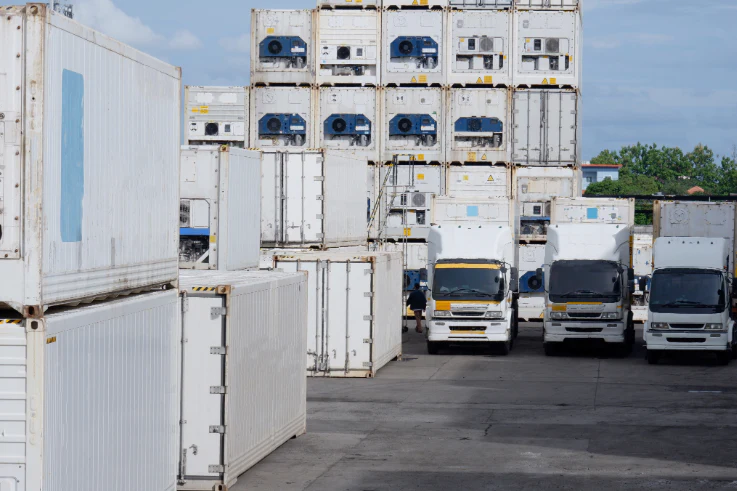
A 20ft non working reefer container for sale can be a valuable alternative to both a standard dry shipping container and a fully operational refrigerated container.
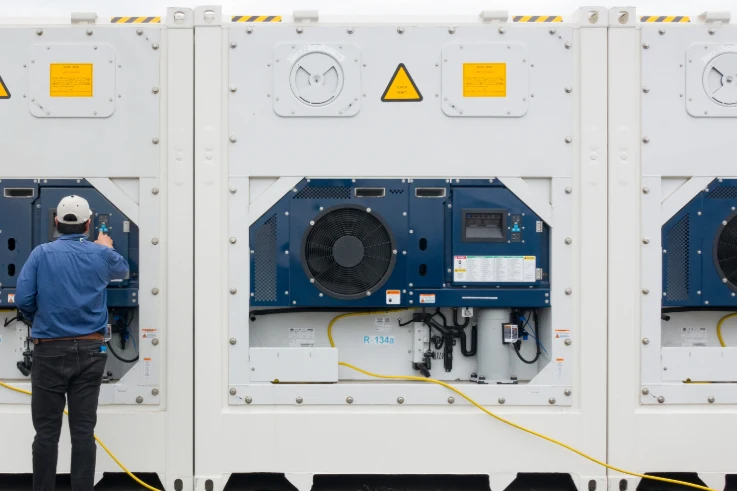
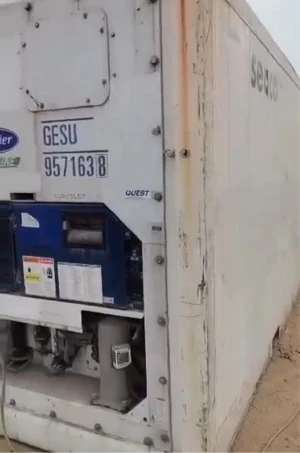
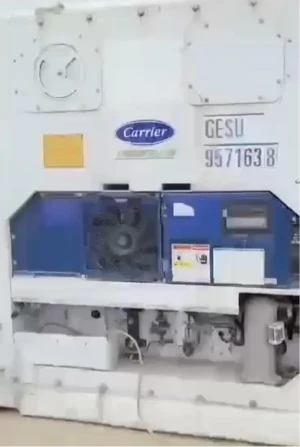
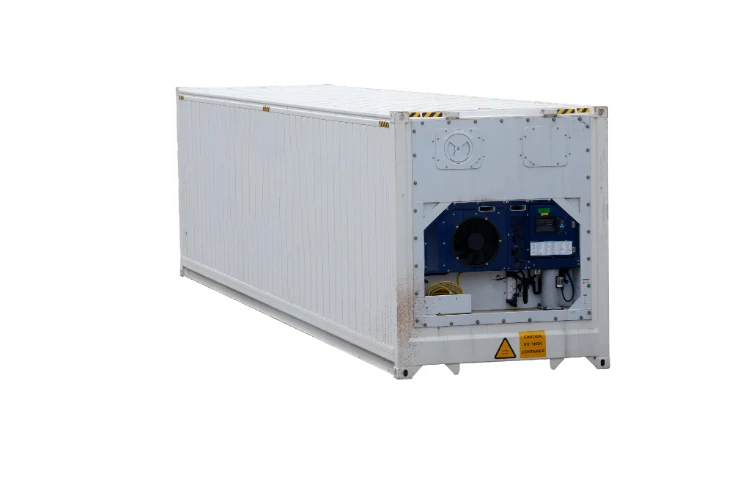
Also known as a non-working refrigerated container or insulated reefer, this type of container uses the insulated construction of a former refrigerated shipping container while its active HVAC/refrigeration system is not operational.
That makes it particularly relevant to customers who want the characteristics of an insulated container without purchasing a working reefer for temperature-controlled operations.
What Is a Non-Working Reefer Container?
A non-working reefer is a refrigerated shipping container that is no longer being used as an active temperature-controlled refrigeration unit.
The supplied product information identifies this product as:
- Used
- Non-operational HVAC
- Compact in size
- Sturdy in construction
- Highly insulated
- Suitable for versatile storage
Because the refrigeration system is not operational, this product should not be marketed as an actively refrigerated or temperature-controlled container.
Instead, its main value is the enclosed and insulated container structure.
20ft Insulated Shipping Container
The insulation is one of the most important characteristics of a non-working reefer.
A conventional dry shipping container is primarily a steel enclosure, while a former refrigerated container has insulated construction designed around refrigerated cargo applications.
That difference can make a non-working reefer attractive for applications where reducing heat transfer or maintaining a more stable internal environment is useful.
However, insulation does not mean the container provides active refrigeration.
Products that require continuous controlled temperature should be stored in a working refrigerated container designed for that purpose.
Why Choose a Non-Working Reefer?
For many buyers, the main advantage is obtaining an insulated enclosed structure without needing an operational refrigeration system.
This can make a non-working reefer worth considering for:
- Equipment storage
- Workshop projects
- Business storage
- Agricultural storage
- Inventory storage
- Construction storage
- Material storage
- Certain container conversion projects
- General enclosed storage
The right use depends on the buyer’s requirements and the condition of the specific container.
Non-Working Reefer vs. Working Reefer
This distinction is extremely important.
A working reefer is designed to actively control temperature using its refrigeration equipment.
A non-working reefer does not provide active refrigeration.
The main advantage of a working reefer is temperature control. The main attraction of a non-working reefer is its insulated enclosure and potential use as an insulated storage or conversion structure.
A customer storing frozen or chilled products should not purchase a non-working reefer expecting it to maintain refrigeration temperatures.
For active temperature-controlled applications, consider Clad Containers’ Working Refrigerated Shipping Container category instead.
Non-Working Reefer vs. Standard Shipping Container
A conventional dry container and a non-working reefer can both provide enclosed storage, but their construction and intended characteristics differ.
A standard container may be ideal when general enclosed storage is the primary requirement.
A non-working reefer can be more attractive when the buyer specifically values an insulated interior or wants a starting point for an insulated conversion project.
That makes this product especially relevant to buyers whose project benefits from insulated construction.
Storage Applications
A 20ft non-working reefer can provide enclosed space for suitable stored goods, tools, equipment, materials, and supplies.
Potential applications include:
Equipment Storage
Businesses, contractors, farms, and property owners can use suitable units for equipment, tools, machinery components, and materials.
Business Storage
A business may use an insulated container for inventory overflow, supplies, equipment, or other appropriate storage requirements.
Agricultural Storage
Farmers and ranchers may use suitable insulated containers for equipment, supplies, tools, and materials.
Construction Storage
Contractors can use containers for suitable tools, materials, and jobsite storage.
Workshop or Conversion Projects
The insulated construction can also make a non-working reefer interesting for certain workshop or container-conversion applications.
Any conversion should be evaluated against the actual condition and construction of the individual container.
Container Homes and Conversion Projects
The supplied source specifically identifies non-working refrigerated containers as an option for container-home and other residential applications because of their insulation properties.
However, customers considering a container home, office, studio, or other occupied space should understand that the container will require appropriate planning and modifications.
Local building requirements, insulation performance, ventilation, electrical systems, doors, windows, and other conversion requirements should be evaluated separately.
Clad Containers should not represent the raw container itself as a finished habitable structure.
What “Non-Working” Means
The term non-working refers specifically to the refrigeration/HVAC system.
It does not mean that the entire container is unusable.
The container can still provide an enclosed structure for suitable applications.
However, buyers should not assume that the refrigeration machinery can be repaired or returned to service without inspection and additional work.
If active cooling is required, purchase a verified working reefer instead.
Before Buying a Non-Working Reefer
Before purchasing, consider what you actually need the container to do.
If your primary requirement is:
General storage:
Compare the price against a standard used container.
Insulated storage:
A non-working reefer may be worth considering.
Active refrigeration:
Choose a working reefer instead.
Container conversion:
Confirm the dimensions, structural condition, floor, doors, electrical requirements, insulation condition, and local regulations for the intended conversion.
Before ordering, also consider:
- Available placement space
- Delivery access
- Intended application
- Container condition
- Insulation condition
- Whether refrigeration equipment will remain in place
- Required modifications
- Local site requirements
Why Buy From Clad Containers?
Clad Containers supplies new and used shipping containers for storage, construction, agricultural, commercial, residential, industrial, and specialized applications.
Our team can help customers compare standard containers, working reefers, and non-working refrigerated containers based on the intended application.
For buyers who need an insulated enclosure rather than active refrigeration, the 20ft Standard Non-Working Refrigerated Shipping Container can provide a specialized alternative to a conventional dry container.
Reviews
There are no reviews yet.