
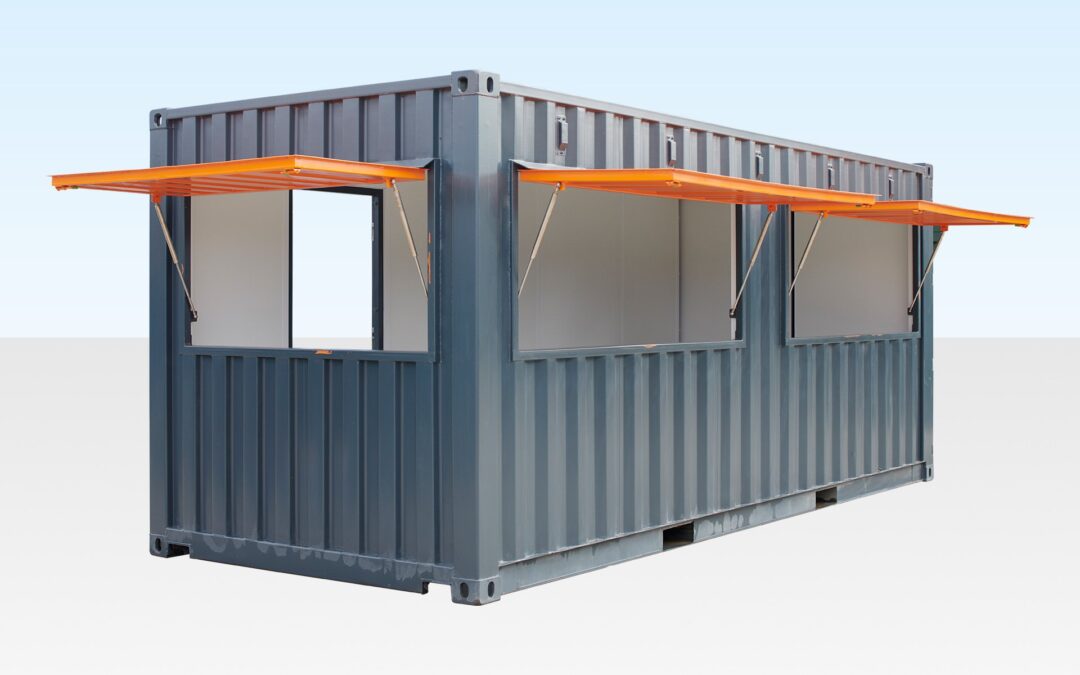
A converted shipping container cafe can operate successfully in many commercial, educational, hospitality and recreational settings. However, the best location is not simply the property with the most available space or the highest number of people passing by.
A strong café location should provide:
- A clearly defined customer group
- Consistent demand
- Good visibility
- Safe customer access
- Suitable utilities
- Practical delivery access
- Reasonable site costs
- Legal approval for food service
- Enough room for ordering, pickup and seating
- Long-term operating potential
Business parks, college campuses, resorts, campgrounds, breweries, marinas, construction projects, sports complexes, retail properties and tourist attractions can all support container café concepts.
The right choice depends on who your customers are, when they visit, what they want to buy and whether the property can support the café operationally and legally.
This guide explores twelve promising places to operate a container café and explains the opportunities, challenges and menu ideas associated with each one.
Table of Contents
- What makes a good container café location?
- Business parks and office campuses
- Colleges and universities
- Resorts and hotels
- Campgrounds and RV parks
- Breweries, wineries and taprooms
- Marinas and waterfront properties
- Construction and industrial sites
- Sports and recreation facilities
- Retail centers
- Tourist attractions
- Festivals and event properties
- Residential and mixed-use communities
- Operating on private property
- Permanent, seasonal and temporary sites
- How to evaluate a potential location
- Common location mistakes
What Makes a Good Container Cafe Location?
Before comparing specific sites, establish what the business needs from a location.
A property with heavy traffic can still perform poorly if the people passing through do not need coffee, food or refreshments at the times you plan to operate.
Evaluate the following factors.
Customer demand
Identify the people most likely to buy from the café.
Ask:
- Who uses the property?
- How many people are present each day?
- What times are busiest?
- Do customers remain onsite long enough to purchase?
- Is the location active year-round?
- Are visitors employees, students, tourists, families or residents?
- What food and beverage options already exist?
A business park may offer strong weekday breakfast demand but very little weekend traffic. A sports complex may be quiet during the week and extremely busy during tournaments.
The operating plan must reflect the customer schedule.
Visibility
The café should be easy to see from the main customer route.
Strong visibility may come from:
- Building entrances
- Parking lots
- Walking paths
- Event spaces
- Main roads
- Recreation areas
- Outdoor seating zones
A hidden property with inexpensive rent may require much more advertising than a visible location with higher site costs.
Access
Customers, employees, suppliers and delivery vehicles must all be able to reach the property safely.
Consider:
- Pedestrian routes
- Accessible customer approach
- Parking
- Bicycle access
- Food-supplier deliveries
- Waste collection
- Emergency access
- Container delivery and offloading
Before choosing a property, review our guide to container cafe delivery to understand the space and access needed for placement.
Utilities
Determine whether the site can provide:
- Electricity
- Potable water
- Wastewater disposal
- Internet
- Exterior lighting
- Drainage
- HVAC power
A remote location can still work, but tank-based water systems, wastewater storage and independent power may increase costs and operating responsibilities.
Legal use
Confirm whether the property allows:
- Commercial food service
- Shipping-container structures
- Customer seating
- Exterior signs
- The proposed operating hours
- The planned foundation
- Utility connections
Review the complete guide to shipping container cafe permits before signing a site agreement or scheduling delivery.
Financial terms
Understand the total cost of using the property.
This may include:
- Monthly rent
- Percentage of sales
- Utility fees
- Waste collection
- Security
- Insurance
- Property improvements
- Foundation work
- Maintenance
- Seasonal closure costs
The lowest rent does not always produce the best business result.
1. Business Parks and Office Campuses
Business parks can be excellent locations for a converted container coffee shop because they provide a concentrated group of repeat weekday customers.
Employees may purchase:
- Coffee before work
- Breakfast
- Midmorning drinks
- Lunch
- Afternoon snacks
- Catering for meetings
Why business parks work
A well-positioned café can become part of employees’ daily routine.
Potential advantages include:
- Predictable morning demand
- Repeat customers
- Regular weekday schedule
- Corporate catering opportunities
- Possible access to existing utilities
- Limited need for evening operation
A compact 20ft café can support fast walk-up service near offices, warehouses or shared parking areas.
Suitable menu
A business-park menu may include:
- Espresso drinks
- Brewed coffee
- Tea
- Breakfast pastries
- Breakfast sandwiches
- Salads
- Wraps
- Grab-and-go lunches
- Bottled drinks
The menu should prioritize speed because customers may have limited time before work or during lunch breaks.
Challenges
Possible challenges include:
- Weak weekend traffic
- Reduced demand during remote-work periods
- Competition from office cafeterias
- Property-management approval
- Restricted operating hours
- Congestion during short morning and lunch rushes
Before committing, ask property management about tenant numbers, occupancy levels and whether another food-service contract already exists.
2. Colleges and Universities
College and university campuses can offer high pedestrian traffic and strong demand for convenient food and beverages.
Potential customers include:
- Students
- Faculty
- Administrative staff
- Campus visitors
- Event attendees
- Sports spectators
Why campuses work
Students and employees often move through the same routes every day. A café positioned near classrooms, dormitories, libraries or recreation areas can build frequent repeat business.
Potential advantages include:
- Concentrated pedestrian traffic
- Strong coffee demand
- Social-media visibility
- Campus catering opportunities
- Regular events
- Large potential customer base
Suitable menu
A campus café may offer:
- Coffee
- Tea
- Smoothies
- Energy drinks
- Pastries
- Affordable breakfast items
- Grab-and-go meals
- Vegetarian options
- Snacks
Pricing, service speed and convenience may be especially important.
Challenges
Campus operations can involve:
- Institutional approval
- Food-service contracts
- Vendor procurement requirements
- Restricted delivery times
- Academic-calendar seasonality
- Pricing sensitivity
- Campus design standards
A property may appear ideal, but the institution may already have an exclusive agreement with another food-service provider.
Speak with campus facilities, procurement and food-service management before developing the project.
3. Resorts and Hotels
Hotels and resorts can use a container café as an additional food or beverage point without constructing another traditional building.
Possible placement areas include:
- Pool decks
- Beach access points
- Walking trails
- Recreation areas
- Event lawns
- Guest accommodation zones
- Outdoor lounges
Why hospitality properties work
Resort guests may value convenient access to refreshments without returning to the main restaurant.
Potential advantages include:
- Captive customer audience
- Premium pricing opportunities
- Attractive outdoor surroundings
- Strong branding potential
- Event and group business
- Existing property management
Suitable menu
A resort container café may serve:
- Morning coffee
- Breakfast items
- Smoothies
- Cold drinks
- Snacks
- Desserts
- Ice cream
- Light meals
- Poolside refreshments
The menu should reflect the guest experience and the time of day the location is busiest.
Challenges
Hospitality properties may require:
- Higher design standards
- Custom paint and branding
- Quiet equipment
- Defined operating hours
- Revenue sharing
- Guest-service training
- Weather protection
- Seasonal planning
The café exterior should complement the hotel or resort rather than appear disconnected from the property.
4. Campgrounds and RV Parks
Campgrounds and RV parks can support container cafés when guests have limited access to nearby food and beverages.
Customers may need:
- Morning coffee
- Breakfast
- Ice
- Cold drinks
- Snacks
- Ice cream
- Simple meals
Advantages
Potential advantages include:
- Defined onsite customer group
- Family-oriented demand
- Outdoor seating opportunities
- Limited nearby competition
- Seasonal events
- Repeat customers staying several days
A café near the campground entrance, recreation area or central amenities can become a convenient gathering point.
Suitable menu
A focused campground menu may include:
- Coffee
- Tea
- Breakfast sandwiches
- Pastries
- Smoothies
- Bottled drinks
- Ice cream
- Family snacks
- Grab-and-go meals
Challenges
Possible challenges include:
- Seasonal demand
- Remote utilities
- Wastewater management
- Weather exposure
- Lower weekday traffic outside peak season
- Winter closure
- Limited supplier access
The operator should understand the campground’s annual occupancy pattern rather than relying only on peak holiday traffic.
5. Breweries, Wineries and Taprooms
Breweries, wineries and taprooms frequently have attractive outdoor spaces and established customer traffic but may need additional food or non-alcoholic beverage service.
A container café can support:
- Morning coffee programs
- Weekend brunch
- Food pairings
- Desserts
- Light meals
- Non-alcoholic drinks
- Special events
Advantages
Possible benefits include:
- Existing customer base
- Shared outdoor seating
- Event traffic
- Strong visual atmosphere
- Cross-promotion
- Reduced need to find an independent property
The host business may also provide access to utilities, parking and waste services.
Suitable menu
The menu might include:
- Coffee
- Tea
- Pastries
- Sandwiches
- Charcuterie-style food
- Desserts
- Non-alcoholic specialty drinks
- Event menus
Challenges
The operating agreement should clearly address:
- Business hours
- Revenue sharing
- Utility costs
- Waste collection
- Shared seating
- Food-service exclusivity
- Alcohol-service boundaries
- Branding
- Event responsibilities
A strong host-property relationship can reduce customer-acquisition costs, but unclear responsibilities can create conflict.
6. Marinas and Waterfront Properties
Marinas and waterfront destinations can provide a distinctive environment for a converted shipping container cafe.
Potential customers include:
- Boat owners
- Fishing customers
- Tourists
- Marina employees
- Waterfront residents
- Event attendees
Suitable menu
A marina café might offer:
- Morning coffee
- Breakfast
- Sandwiches
- Cold drinks
- Snacks
- Ice cream
- Grab-and-go food
- Picnic items
Advantages
Possible advantages include:
- Strong seasonal visitor traffic
- Attractive outdoor seating
- Limited nearby competition
- Distinctive branding
- Early-morning demand
- Tourist spending
Challenges
Waterfront locations require additional planning for:
- Flood risk
- Storm exposure
- High winds
- Salt-air corrosion
- Drainage
- Emergency closures
- Seasonal traffic
- Limited delivery access
Exterior finishes, metal protection, anchoring and utility placement may require more attention than at an inland commercial site.
The property owner and local authorities should also confirm environmental and waterfront-development requirements.
7. Construction Sites and Industrial Projects
Large construction and industrial projects can generate a concentrated workforce that needs convenient meals and beverages.
A café may serve:
- Early-morning coffee
- Breakfast
- Lunch
- Cold drinks
- Snacks
- Grab-and-go meals
Advantages
Possible advantages include:
- Predictable workforce
- Defined shift schedules
- Limited nearby food choices
- Long-term project contracts
- Bulk or preordered meals
- Corporate customer relationship
A 20ft container café can remain onsite for several months or years and then be relocated when the project ends.
Challenges
The operator must plan for:
- Heavy vehicle movement
- Dust
- Mud
- Site security
- Temporary utilities
- Shift changes
- Personal protective equipment rules
- Restricted customer access
- Relocation after project completion
The site agreement should explain who provides:
- Electricity
- Water
- Wastewater disposal
- Security
- Waste collection
- Foundation or supports
- Relocation costs
This is a good example of a relocatable café that remains stable during operation rather than moving every day like a food truck.
8. Sports Complexes and Recreation Facilities
Sports fields, recreation centers and tournament properties can generate strong event-based food and beverage demand.
Customers may include:
- Athletes
- Coaches
- Parents
- Spectators
- Officials
- Facility staff
Suitable menu
A sports-complex café may offer:
- Coffee
- Cold drinks
- Smoothies
- Snacks
- Ice cream
- Breakfast items
- Fast lunches
- Event concessions
Advantages
Potential advantages include:
- High event traffic
- Family customer base
- Weekend demand
- Tournament sales
- Sponsorship opportunities
- Repeat sports seasons
Challenges
Demand may be uneven.
The facility may experience:
- Short, intense rush periods
- Quiet weekdays
- Seasonal closures
- Weather cancellations
- Event-vendor restrictions
- Limited operating windows
A layout with clearly separated ordering and pickup areas may help during tournament rushes.
The menu should be easy to prepare quickly and should avoid products that create long wait times.
9. Retail Centers and Shopping Properties
Retail centers can provide existing traffic, parking and visibility.
A container café may activate:
- An unused parking area
- A courtyard
- A building entrance
- A landscaped plaza
- An underused corner of the property
- An outdoor shopping zone
Advantages
Potential benefits include:
- Existing customer traffic
- Parking
- Year-round operation
- Strong signage opportunities
- Nearby retail businesses
- Utility access
- Security services
Suitable menu
A retail café may focus on:
- Coffee
- Pastries
- Desserts
- Smoothies
- Grab-and-go food
- Bottled drinks
- Impulse purchases
Challenges
Retail properties may involve:
- Higher rent
- Formal lease requirements
- Existing café competition
- Property design standards
- Parking restrictions
- Utility charges
- Required operating hours
The café should improve the retail property without blocking parking, pedestrian routes or access to existing businesses.
Ask the property manager for traffic data and tenant information rather than relying only on a brief site visit.
10. Tourist Attractions and Visitor Destinations
Container cafés can work well at places where visitors spend several hours and have limited food-service choices.
Possible locations include:
- Museums
- Gardens
- Parks
- Zoos
- Historic sites
- Scenic attractions
- Adventure parks
- Tour departure points
- Outdoor recreation destinations
Advantages
Potential advantages include:
- Strong visitor spending
- Unique visual branding
- Seasonal volume
- Outdoor seating
- Opportunities to sell local products
- Event traffic
Suitable menu
Tourist locations may perform well with:
- Coffee
- Cold beverages
- Portable food
- Snacks
- Ice cream
- Local specialties
- Family-friendly items
Challenges
Possible challenges include:
- Tourism seasonality
- Restricted operating contracts
- Design-review requirements
- Remote utilities
- Weather
- Limited delivery access
- Demand fluctuations
The menu should be visible, fast and easy for visitors to carry while exploring the attraction.
11. Festivals, Markets and Event Properties
A container café can serve recurring events when placed at a permanent or semi-permanent event property.
Potential locations include:
- Fairgrounds
- Outdoor markets
- Music venues
- Festival sites
- Seasonal markets
- Event campuses
- Community gathering spaces
Advantages
Possible advantages include:
- High event traffic
- Distinctive branding
- More protection than a temporary tent
- Repeat annual events
- Better equipment and storage capacity
- Semi-permanent placement
Challenges
The operator should consider:
- Event permits
- Utility access
- Weather
- Event cancellations
- Long periods without activity
- Revenue-sharing agreements
- Relocation costs
- Security between events
A container café is better suited to a recurring event property than a business moving to a different festival every weekend.
Businesses requiring regular movement should compare this model with a food truck. Read Container Cafe vs Food Truck: Which Business Model Is Better? before deciding.
12. Residential Developments and Mixed-Use Communities
Container cafés may also work as amenities within:
- Apartment communities
- Master-planned neighborhoods
- Mixed-use developments
- Residential clubhouses
- Community pools
- Walkable residential districts
Advantages
Potential benefits include:
- Repeat local customers
- Walkable demand
- Community events
- Morning and weekend traffic
- Strong neighborhood identity
- Reduced need for customer parking
Suitable menu
A residential-community café might offer:
- Coffee
- Tea
- Pastries
- Weekend brunch items
- Smoothies
- Family snacks
- Desserts
- Light meals
Challenges
Residential properties may impose restrictions related to:
- Noise
- Operating hours
- Deliveries
- Waste storage
- Parking
- Exterior lighting
- Signs
- Customer traffic
The business may perform best when supported by amenities such as pools, gyms, playgrounds, shared offices or community-event areas.
Can You Operate a Container Cafe on Your Own Land?
Potentially, but owning the property does not automatically authorize a commercial café.
Before developing the project, confirm:
- Food service is allowed in the zoning district
- A shipping-container structure is permitted
- Customer traffic is allowed
- Parking requirements can be met
- The property can receive the container
- Water and wastewater can be handled legally
- Fire access is maintained
- Exterior signs are allowed
- Outdoor seating is permitted
- An accessible customer route can be provided
Private land is still subject to local zoning, building, health, fire and business requirements.
Review Do You Need Permits for a Shipping Container Cafe? before constructing a foundation or scheduling delivery.
Should You Choose a Permanent, Seasonal or Temporary Site?
The correct operating arrangement depends on the business and customer demand.
Permanent Location
A permanent or long-term location is best for:
- Repeat customers
- Fixed utilities
- Strong local branding
- Outdoor seating
- Reliable operating hours
- Long-term business agreements
Advantages
- Customers always know where to find the café
- Permanent utility connections are easier to justify
- The site can support landscaping and seating
- Local search visibility may improve
- Repeat-customer habits can develop
Challenges
- Greater dependence on one location
- More extensive site investment
- Longer property commitment
- Potentially more detailed approvals
Seasonal Location
Seasonal placement can work for:
- Resorts
- Campgrounds
- Marinas
- Tourist attractions
- Sports facilities
- Seasonal markets
Advantages
- Business operates during strongest demand
- Staffing can follow peak periods
- Menu can match seasonal customers
- The café can become part of an annual attraction
Challenges
- Uneven cash flow
- Off-season storage or security
- Seasonal hiring
- Weather preparation
- Short revenue window
Temporary Project Location
Temporary or project-based placement may suit:
- Construction sites
- Long-term events
- Infrastructure projects
- Temporary campuses
- Emergency or remote work sites
Advantages
- Defined customer group
- Contract-based opportunity
- The café can be relocated later
- Limited local competition
Challenges
- Temporary utilities
- Site security
- Project end date
- Relocation planning
- Contract dependence
A container is relocatable, but relocation still requires professional transport and offloading.
Match the Menu to the Location
The best menu depends on who uses the property and when they visit.
| Location | Strong menu direction |
|---|---|
| Business park | Coffee, breakfast and fast lunch |
| College campus | Affordable drinks and grab-and-go food |
| Resort | Premium drinks, snacks and desserts |
| Campground | Breakfast, cold drinks and family snacks |
| Brewery or winery | Food pairings, coffee and desserts |
| Marina | Breakfast, sandwiches and cold drinks |
| Construction site | Coffee, breakfast and filling lunch |
| Sports complex | Fast snacks, drinks and concessions |
| Retail center | Coffee, pastries and impulse purchases |
| Tourist attraction | Portable food and local specialties |
| Event property | High-speed limited menu |
| Residential community | Coffee, brunch and family items |
A busy location can still fail when the menu does not match customer needs.
For example:
- Office employees may want fast service before 9:00 a.m.
- Tourists may prefer portable food and cold beverages.
- Construction workers may need larger breakfast and lunch items.
- Sports families may purchase quickly during breaks between games.
- Campground guests may want morning coffee and evening desserts.
Study the customer schedule before designing the menu or buying equipment.
Best Locations for a 20ft Container Cafe
A 20ft café is especially suitable for locations where:
- Most customers order takeaway
- One or two employees work inside
- The menu is focused
- Outdoor seating is available
- The site footprint is limited
- Frequent restocking is practical
- Demand occurs in predictable periods
Strong 20ft locations can include:
- Business parks
- College campuses
- Campgrounds
- Breweries
- Wineries
- Marinas
- Construction sites
- Sports complexes
- Retail courtyards
- Resort recreation areas
Clad Containers offers a 20ft shipping container café for sale with a serving hatch, personnel access door, electrical installation, insulation and finished interior.
It is supplied as a ready-to-fit café shell. The buyer selects and installs the counters, sinks, plumbing, appliances, refrigeration, HVAC and branding required for the chosen location and menu.
Before purchasing equipment, confirm that the site can support the intended fit-out and customer demand.
How to Evaluate a Potential Container Cafe Site
Use the following questions when comparing properties.
Customer Demand
- Who is the target customer?
- How many potential customers are present?
- What times are busiest?
- Is the traffic consistent?
- Is demand seasonal?
- How long do customers remain onsite?
- What do they currently buy?
Property Suitability
- Is food service allowed?
- Is a container structure allowed?
- Is the café visible?
- Is customer parking available?
- Can customers queue safely?
- Is outdoor seating possible?
- Is waste collection practical?
- Is the location secure?
Utilities
- Is electrical service available?
- Is potable water nearby?
- Is sewer available?
- Is a wastewater tank required?
- Is internet reliable?
- Is the site adequately drained?
- Who pays for the connections?
Delivery
- Can a truck enter the property?
- Is crane placement required?
- Is the ground firm?
- Is there enough turning space?
- Are there low power lines?
- Is the final position accessible?
- Can the site remain clear during delivery?
Financial Terms
- What is the monthly rent?
- Is there a percentage-of-sales charge?
- Who pays utilities?
- Who pays for the foundation?
- Who owns the site improvements?
- How long is the agreement?
- Can the container be removed later?
- What happens if the host property is sold?
Competition
- How many cafés are nearby?
- What do they sell?
- What are their prices?
- When do they operate?
- What customer need remains unmet?
- Does the location already have an exclusive vendor?
Visit the proposed property at several times and on different days before signing an agreement.
A single busy Saturday may not represent normal weekly demand.
Container Cafe Location Mistakes to Avoid
Choosing traffic without studying customer behavior
A large number of people does not guarantee sales. Determine whether those people need the products you plan to offer.
Ignoring weekday and seasonal changes
A property may be busy during holidays or events but quiet for the rest of the year.
Signing an agreement before checking permits
The site may not allow food service or a converted container structure.
Choosing a property without practical utilities
Long electrical, water or sewer connections can significantly increase project costs.
Ignoring container delivery access
A property may have customer space but insufficient access for a truck or crane.
Underestimating competition
A busy location may already have several established food and beverage businesses.
Accepting a short agreement
A short lease may not justify the cost of permits, delivery, foundation work and equipment installation.
Depending on one major customer
A business park tenant, construction project or resort contract can change. Consider how the café would perform if that customer disappeared.
Ignoring weather
Outdoor ordering and seating areas may require shade, rain protection, wind protection and drainage.
Choosing low rent over visibility
Low rent cannot compensate for poor access, limited traffic and weak customer awareness.
Failing to define host-property responsibilities
The agreement should identify who handles utilities, waste, seating, maintenance, security and customer complaints.
Choose a Location That Supports the Entire Business
The best place for a converted shipping container cafe is not simply where the container fits.
The property must support:
- The right customers
- The right operating hours
- Legal food-service use
- Container placement
- Utilities
- Delivery and offloading
- Customer access
- Waste collection
- Exterior signs
- Long-term financial viability
Business parks may offer predictable weekday customers. Campuses can provide heavy pedestrian traffic. Resorts and campgrounds may offer captive seasonal audiences. Breweries and wineries can provide an established host property. Construction sites can create contract-based demand. Retail centers and tourist destinations can provide visibility and year-round opportunities.
Evaluate the complete business environment before choosing.
Once you identify a suitable property, confirm the permits, delivery route, utilities, foundation and customer area before ordering equipment.
You can view the 20ft container café and contact Clad Containers with your ZIP code and site information to confirm current availability, specifications, delivery pricing and offloading options.
Frequently Asked Questions
Where is the best place to put a container café?
The best location has a clearly defined customer group, strong visibility, legal food-service use, suitable utilities, practical delivery access and enough demand to support the menu. Business parks, campuses, resorts, breweries, marinas and retail properties can all be strong options.
Can I operate a container café on private property?
Potentially, but private ownership does not remove zoning, building, health, fire, utility or business requirements. Confirm that commercial food service and the container structure are allowed.
Are business parks good locations for container cafés?
Yes, particularly when the property has a large weekday workforce and limited nearby food options. Morning coffee, breakfast and fast lunch products may perform well.
Can a container café operate at a school or university?
Potentially. The institution, property manager and relevant government authorities must approve the operation. Existing food-service contracts and campus procurement rules may also apply.
Are container cafés suitable for resorts and campgrounds?
Yes. They can provide convenient coffee, snacks, desserts and light meals near pools, beaches, recreation areas or guest accommodations. Seasonal demand and property design standards should be considered.
Can a container café be used at festivals?
A container café can work well at recurring or long-duration event properties. A food truck may be more practical when the business must move to a different event every few days.
What utilities does a container café site need?
Typical needs include electricity, potable water, wastewater disposal, internet, exterior lighting and drainage. The exact requirements depend on the menu, equipment and local regulations.
How much parking does a container café need?
Parking requirements depend on local zoning, seating, employees, property use and customer volume. Ask the planning department what applies to the selected site.
Should I lease or own the café site?
Either can work. Ownership may provide more control over improvements, while leasing can reduce the initial land investment. A lease should be long enough to justify the container, site and permit expenses.
Can I relocate the café if the location performs poorly?
Yes, a container café can potentially be relocated. The process requires utility disconnection, professional transport, offloading and approval at the new property.
How do I measure customer demand before opening?
Visit the location at different times and days, count pedestrian or vehicle traffic, identify nearby employees or visitors, study competitors and speak with the property owner about occupancy and events.
What locations are best for a 20ft café?
A 20ft café is well suited to focused takeaway operations at business parks, campuses, campgrounds, construction sites, breweries, marinas, sports facilities, retail courtyards and resort recreation areas.