
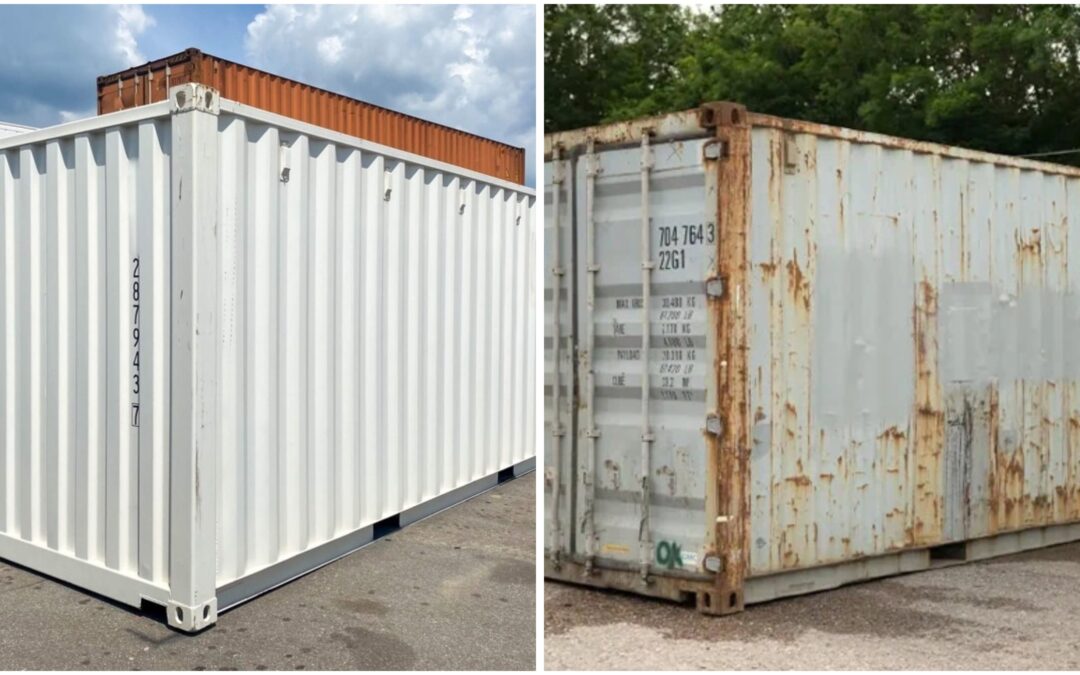
When comparing a one trip shipping container vs used shipping container, the best choice is not always the unit with the lowest advertised price.
A one-trip container generally offers cleaner flooring, newer paintwork, newer door seals and fewer years of structural wear. A used container usually costs less but may show dents, faded paint, surface corrosion, floor wear or previous repairs.
Both conditions can provide reliable service when matched to the correct project.
A one-trip container is often the stronger choice for:
- Customer-facing properties
- Offices and workshops
- Retail conversions
- Long-term ownership
- Clean inventory storage
- Projects where exterior appearance matters
A properly graded used container may offer better value for:
- Construction-site storage
- Farm equipment
- Landscaping tools
- Building materials
- Temporary projects
- Locations where cosmetic appearance is unimportant
The correct decision depends on the intended use, budget, condition of the individual container, delivery costs and any repairs or modifications required after purchase.
Quick answer: Choose a one-trip container when cleanliness, appearance, limited wear and conversion quality are important. Choose a properly graded used container when price matters more than cosmetic condition and the unit will mainly provide basic storage.
Table of Contents
- What is a one-trip container?
- What is a used container?
- Quick condition comparison
- Exterior appearance
- Doors and seals
- Flooring
- Rust and repairs
- Storage applications
- Conversion projects
- Export use
- Customer-facing properties
- Purchase price and total cost
- Long-term value
- Inspection checklist
- Project recommendations
- Buying decision checklist
What Is a One-Trip Shipping Container?
A one-trip shipping container is manufactured overseas, loaded with cargo once and transported to its destination before being offered for sale.
Although it has carried cargo only once, the container may have moved through:
- Manufacturing yards
- Shipping ports
- Rail terminals
- Trucking depots
- Container yards
- Storage facilities
As a result, a one-trip unit may still show minor handling marks.
These can include:
- Small dents
- Paint scratches
- Floor scuffs
- Paint chips
- Marks around corner castings
One-trip does not mean cosmetically flawless. It means that the unit has completed only one cargo journey rather than spending several years in international shipping service.
Typical one-trip features may include:
- Cleaner interior
- Newer exterior paint
- Limited floor wear
- Newer door seals
- Smoother locking bars
- Fewer repair patches
- Less corrosion
- Longer potential working life
One-trip containers are often described as near-new because they are typically the cleanest practical units available in local container inventory.
What Is a Used Shipping Container?
“Used shipping container” is a broad description rather than one specific grade.
A used container may have completed several years of cargo journeys and can be sold under different condition classifications.
Cargo-Worthy Container
A cargo-worthy container is generally intended to describe a unit considered structurally suitable for cargo transportation, subject to the applicable inspection and documentation.
It may show:
- Exterior dents
- Faded paint
- Surface rust
- Previous panel repairs
- Floor wear
- Shipping-line markings
Cargo-worthy status focuses more on structural suitability than cosmetic appearance.
Wind-and-Watertight Container
A wind-and-watertight container is intended to prevent ordinary wind and rain from entering when its doors are closed.
It may be suitable for:
- Construction storage
- Equipment storage
- Farm storage
- Landscaping tools
- General inventory
Wind-and-watertight condition does not automatically mean the unit is approved for international cargo use.
As-Is Container
An as-is container is sold in its current condition and may require repairs.
Potential issues may include:
- Difficult doors
- Damaged seals
- Floor repairs
- Rust treatment
- Panel patches
- Roof repair
- Cleaning
As-is containers can be useful for buyers prepared to complete restoration work, but they require careful inspection.
Quick condition comparison
One Trip vs Used Shipping Container at a Glance
| Factor | One-trip container | Used container |
|---|---|---|
| Cargo history | Usually one shipment | Multiple cargo journeys |
| Exterior appearance | Cleaner and newer-looking | More dents, fading or rust possible |
| Interior condition | Generally cleaner | May show stains, wear or repairs |
| Door seals | Newer | May be worn or replaced |
| Flooring | Limited previous use | May have wear, stains or repaired areas |
| Structural patches | Less common | More likely |
| Purchase price | Usually higher | Usually lower |
| Initial repair needs | Typically fewer | May require more work |
| Customer-facing use | Strong choice | Depends on appearance |
| Basic storage | Excellent | Often the better value |
| Conversion suitability | Strong starting point | Requires closer inspection |
| Export use | Confirm CSC and carrier requirements | Confirm cargo-worthy status and CSC |
| Remaining service life | Generally greater | Depends on age and maintenance |
| Color availability | Depends on current inventory | Often limited to available used stock |
Exterior appearance
Exterior appearance is one of the clearest differences between one-trip and used containers.
One-Trip Appearance
A typical one-trip unit may offer:
- Newer exterior paint
- Less fading
- Fewer large dents
- Less visible corrosion
- Cleaner cargo doors
- Fewer repair patches
- More professional presentation
This can make it suitable for locations where customers, employees or tenants will see the container regularly.
Examples include:
- Retail properties
- Business parks
- Schools
- Hotels and resorts
- Event venues
- Apartment communities
- Office sites
- Customer-facing construction projects
Used-Container Appearance
A used container may show:
- Faded shipping-line colors
- Old identification markings
- Rust spots
- Scratches
- Panel dents
- Repaired sections
- Mismatched paint
- Worn door hardware
These signs do not automatically mean the container is unsuitable for storage.
A used unit located behind a warehouse may perform the same storage function as a cleaner one-trip unit without requiring the buyer to pay for a more attractive exterior.
Appearance should be treated as a business requirement rather than a universal measure of container quality.
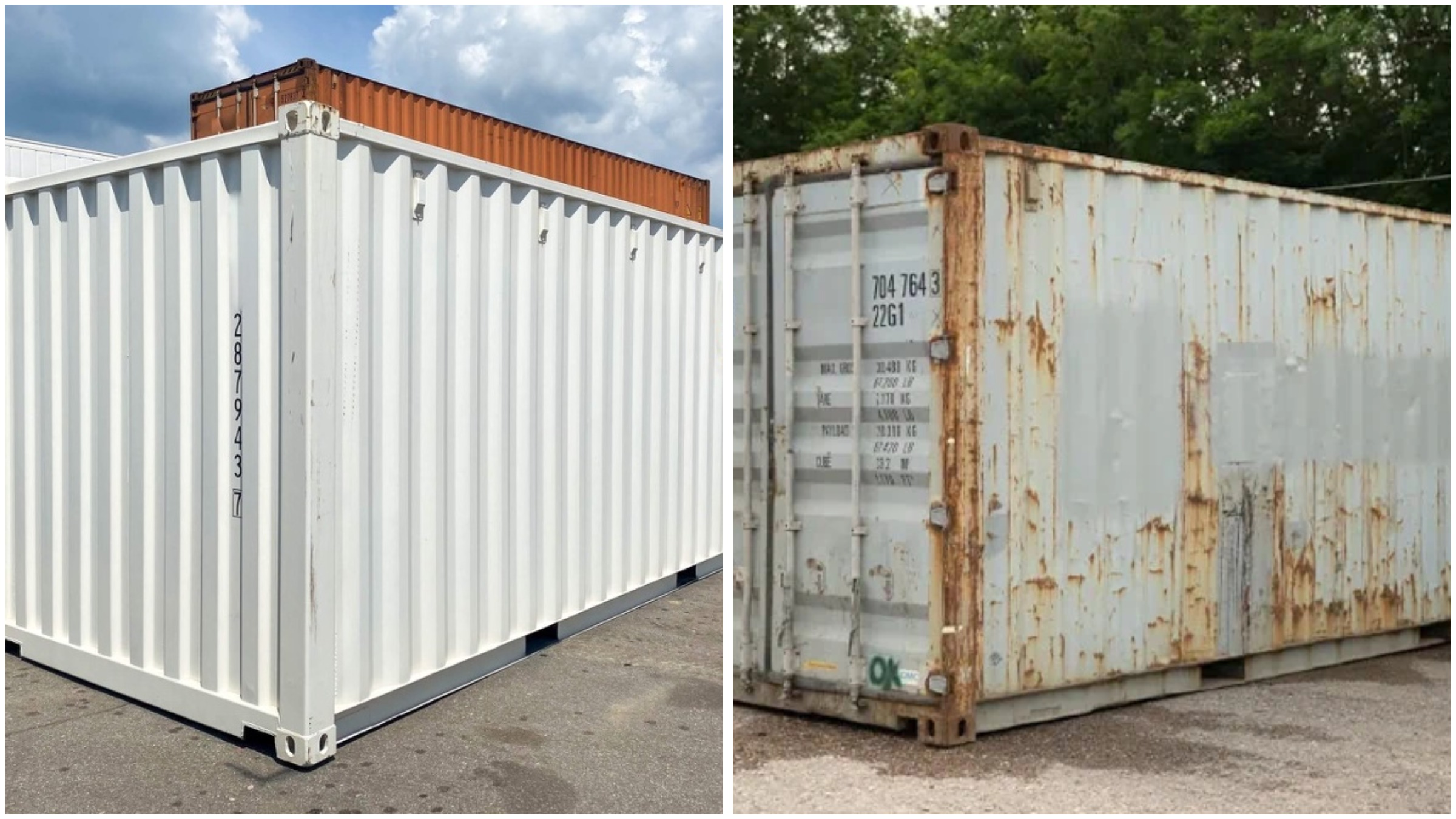
Which Has Better Doors and Seals?
Cargo doors are among the most frequently used components on an older shipping container.
One-Trip Doors
A one-trip unit will generally have:
- Newer rubber seals
- Less hinge wear
- Smoother locking-bar movement
- Newer handles
- Less door-frame distortion
- Easier daily operation
The doors should still be tested because handling and uneven placement can affect alignment.
Used-Container Doors
A used unit may have:
- Stiffer hinges
- Older seals
- Worn handles
- Locking bars that require adjustment
- Repaired door components
- Surface corrosion around hinges
These issues may be manageable with:
- Lubrication
- Seal replacement
- Hinge adjustment
- Door alignment
- Hardware repair
Container placement also affects door operation.
A structurally sound container placed on uneven ground can twist slightly and make its doors difficult to open. Door performance should therefore be checked after the unit is placed on a firm, level surface.
How Do the Floors Compare?
Container floors can affect storage cleanliness and conversion costs.
One-Trip Flooring
A one-trip floor may provide:
- Cleaner appearance
- Less cargo wear
- Fewer deep stains
- Fewer repaired sections
- Limited surface damage
- Better starting condition for a conversion
Minor scuffs, scratches and handling marks may still be present.
Used-Container Flooring
An older used floor may show:
- Cargo stains
- Scratches
- Heavy wear
- Patched sections
- Cracks
- Delamination
- Soft areas
- Uneven repairs
- Residue from previous loads
The floor should be assessed according to the intended use.
A worn but structurally sound floor may be acceptable for storing construction tools. It may be less suitable for clean retail inventory or an occupied office conversion without additional work.
Before purchasing either condition:
- Request floor photographs.
- Check for soft areas.
- Look for major stains.
- Review repaired sections.
- Confirm the floor suits the intended project.
- Budget for a new finish where necessary.
Which Container Has More Rust and Repairs?
A one-trip container normally has less corrosion because it has not spent years exposed to salt air, cargo handling and changing climates.
It may still have light surface corrosion where paint was scratched during transport.
A used container is more likely to show:
- Surface rust
- Repainted areas
- Welded patches
- Repaired panels
- Repaired flooring
- Dented walls
- Roof repairs
- Corrosion around door hardware
Buyers should distinguish between cosmetic wear and structural problems.
Cosmetic issues may include:
- Faded paint
- Small dents
- Light surface rust
- Scratches
- Old shipping-line markings
More serious issues may include:
- Deep corrosion
- Damaged corner posts
- Distorted door frames
- Compromised top or bottom rails
- Roof holes
- Severe floor damage
- Significant structural repairs
A used container should not be rejected simply because it looks used. Its actual grade, structural condition and repair history matter more than surface appearance.
Which Is Better for Secure Storage?
Both one-trip and used containers can provide secure storage.
The correct choice depends on the items being stored and where the unit will be placed.
Choose One Trip for Storage When You Need:
- Cleaner interior condition
- Professional exterior appearance
- Storage for documents
- Retail inventory
- Furniture
- Clean equipment
- Sensitive business materials
- Long-term ownership
- Customer-facing placement
Choose Used for Storage When You Need:
- Construction-tool storage
- Landscaping-equipment storage
- Agricultural supplies
- Building materials
- Machinery
- General site equipment
- Temporary project storage
- A lower upfront purchase price
A properly graded wind-and-watertight used container can be an excellent storage investment.
The buyer should still check:
- Roof
- Walls
- Cargo doors
- Door seals
- Floor
- Locks
- Ventilation
- Signs of moisture
The intended contents should determine how clean and visually attractive the container needs to be.
Which Is Better for a Container Conversion?
A one-trip container is generally the stronger starting point for professional conversion projects.
Possible projects include:
- Shipping container office
- Workshop
- Retail kiosk
- Pop-up store
- Ticket booth
- Security station
- Equipment room
- Exhibition unit
- Event activation
- Customer-service booth
Benefits of One Trip for Conversion
A one-trip shell may provide:
- Cleaner walls and floor
- Less rust treatment
- Fewer panel repairs
- Better exterior presentation
- Easier painting
- Better surface for graphics
- Newer doors and seals
- Less preparation before fit-out
This can save time during the early stages of the conversion.
Using a Used Container for Conversion
A used container can still be converted successfully when:
- The structure is sound
- Repairs are included in the budget
- Exterior refinishing is already planned
- The project will cover much of the original exterior
- The buyer can inspect the unit
- Cosmetic wear is acceptable
The lowest-priced shell is not always the lowest-cost conversion starting point.
A used container that requires:
- Floor replacement
- Rust treatment
- Door repairs
- New seals
- Panel patches
- Extensive cleaning
- Full repainting
may eventually cost as much as or more than a cleaner one-trip unit.
Which Is Better for Export?
Neither “one trip” nor “used” automatically confirms that the container can be used for export.
A one-trip unit may have limited wear, but the specific documentation and carrier requirements still need to be confirmed.
A used container may be suitable for export when it meets the required cargo-worthy and certification standards.
Before purchasing either condition for export, confirm:
- CSC plate status
- Current inspection information
- Container identification number
- Structural condition
- Door and seal condition
- Shipping-line acceptance
- Port requirements
- Destination-country requirements
- Ownership documentation
Do not assume that a cleaner appearance guarantees cargo acceptance.
Export suitability depends on the condition and documentation of the specific unit.
Which Is Better for Customer-Facing Properties?
A one-trip container is usually better when the unit will be visible to customers, guests, students or tenants.
Suitable locations may include:
- Retail centers
- Business parks
- Schools
- Hospitality properties
- Event sites
- Residential communities
- Office campuses
- Public commercial properties
A clean white exterior can create a professional starting point for:
- Logos
- Vinyl graphics
- Directional signs
- Brand colors
- Exterior lighting
- Retail conversion
Clad Containers offers a 20ft-shipping-container-one-trip-white for storage, export planning and conversion projects.
The white finish can work well with many commercial branding styles. Paint, graphics, windows, personnel doors and other conversion features are not included unless they are specifically listed in the written quotation.
Why Do One-Trip Containers Cost More?
One-trip containers generally cost more because they provide:
- Limited cargo history
- Cleaner interiors
- Newer paint
- Newer doors and seals
- Less corrosion
- Fewer repairs
- Longer potential service life
- Greater demand for conversions
- Better customer-facing appearance
The price difference between one-trip and used units varies according to:
- Container size
- Standard or high-cube height
- Yard location
- Local inventory
- Color
- Delivery distance
- Certification
- Market demand
- Required modifications
There is no universal nationwide price difference.
A buyer should compare quotations for units with the same:
- Size
- Height
- Condition
- Location
- Delivery method
- Offloading arrangement
- Included services
Is a Used Container Always the Cheaper Option?
A used container often has a lower purchase price, but the purchase price is only one part of the project cost.
The real comparison is:
Container price + delivery + offloading + repairs + cleaning + modifications = total project cost
Possible used-container expenses include:
- Rust treatment
- Repainting
- Cleaning
- Door adjustment
- Seal replacement
- Floor repairs
- Panel patches
- Roof repairs
- Lock upgrades
- Conversion preparation
A used container can still provide the lowest total cost when:
- It is structurally sound
- It requires few repairs
- Cosmetic wear is acceptable
- It is located near the delivery property
- It will be used for basic storage
A nearby used container may offer better value than a one-trip unit that must travel a long distance.
The opposite can also be true. A cleaner one-trip unit may be the better investment when a used container requires extensive preparation.
Which Container Offers Better Long-Term Value?
Long-term value depends on how well the container suits the project.
One Trip May Offer Better Long-Term Value When:
- The container will be owned for many years.
- Exterior appearance matters.
- A conversion is planned.
- Repair work should be minimized.
- Clean flooring is important.
- The container may later be relocated.
- The property is customer-facing.
- The buyer wants newer doors and seals.
Used May Offer Better Long-Term Value When:
- The container is for basic storage.
- The project is temporary.
- Appearance is unimportant.
- The unit will remain out of public view.
- The budget is limited.
- A strong wind-and-watertight unit is available nearby.
- Repairs are already part of the project.
- The lower total cost has been confirmed.
The most expensive condition is not automatically the best value. It is only the best value when its advantages matter to the intended use.
What Should You Inspect on Both Conditions?
Condition labels are useful, but the individual container should still be reviewed.
Exterior Inspection
Check:
- Large dents
- Deep corrosion
- Holes
- Previous repairs
- Roof condition
- Corner posts
- Top rails
- Bottom rails
- Corner castings
- Paint condition
Small dents and scratches may be cosmetic. Significant damage near structural components requires closer review.
Cargo-Door Inspection
Check:
- Hinges
- Handles
- Locking bars
- Cam keepers
- Door frame
- Alignment
- Rubber seals
- Ease of operation
Open and close both cargo doors when possible.
Interior Inspection
Look for:
- Daylight through holes
- Water stains
- Moisture
- Condensation
- Strong odors
- Wall damage
- Roof damage
- Rust
- Cargo residue
A daylight test can help identify holes but should not replace a full inspection.
Floor Inspection
Check:
- Soft areas
- Cracks
- Delamination
- Repairs
- Deep stains
- Uneven sections
- Major gouges
The required floor condition depends on what will be stored or built inside.
Documentation
Confirm:
- Container number
- Size and type
- Written condition grade
- CSC status where relevant
- Current photographs
- Inspection information
- Repair information
- Any condition guarantee
Ask whether photographs show the exact container or only a representative unit.
One Trip or Used? Recommendations by Project
| Project | Recommended condition | Main reason |
| Customer-facing retail conversion | One trip | Cleaner presentation and fewer repairs |
| Basic construction storage | Used wind and watertight | Lower-cost storage solution |
| Office conversion | One trip | Cleaner interior and better starting condition |
| Farm-equipment storage | Used wind and watertight | Cosmetic appearance may be less important |
| International export | Cargo worthy with valid documentation | Inspection status matters more than appearance |
| School or hospitality property | One trip | More professional exterior |
| Temporary project storage | Used | Lower initial investment |
| Long-term business storage | One trip or clean used | Depends on budget and visibility |
| Workshop conversion | One trip or structurally sound used | Depends on finish expectations |
| Branded event unit | One trip | Cleaner surface for customization |
| Document or furniture storage | One trip | Cleaner interior condition |
| Landscaping-equipment storage | Used | Cosmetic wear is less important |
Choose a One-Trip Container When…
A one-trip container may be the right choice when:
- You want the cleanest practical condition.
- The unit will be visible to customers.
- You are planning a professional conversion.
- You want fewer initial repairs.
- Newer doors and seals matter.
- Long-term ownership is planned.
- Clean flooring is important.
- Exterior appearance affects the property.
- You want a strong surface for branding.
- The budget supports the higher purchase price.
Choose a Used Container When…
A used container may be the better choice when:
- The unit will provide basic storage.
- Cosmetic dents and faded paint are acceptable.
- The container will remain away from customers.
- Budget is the primary concern.
- The project is temporary.
- You can inspect the unit carefully.
- Repairs are already part of the project.
- Wind-and-watertight condition meets the need.
- A suitable unit is available near the delivery site.
- The lower total project cost is confirmed.
White 20ft One-Trip Container From Clad Containers
Clad Containers offers a 20ft-shipping-container-one-trip-white suitable for:
- Secure commercial storage
- Retail inventory
- Construction equipment
- Export planning
- Office conversion
- Workshop conversion
- Retail kiosk projects
- Event applications
The product is described as including:
- One-trip condition
- White exterior
- Corten steel construction
- Marine plywood flooring
- Integrated ventilation
- Secure cargo doors
- ISO corner castings
- Nationwide delivery options
Before placing an order, confirm:
- Current availability
- Recent photographs
- Exact unit condition
- CSC status
- Container identification
- Delivery price
- Offloading method
- Site-access requirements
- Optional modifications
One Trip vs Used Container Mistakes to Avoid
Comparing Different Sizes
Compare a 20ft container with another 20ft container and a standard unit with another standard unit.
A larger or high-cube unit should not be compared only by condition.
Comparing One Trip With an Ungraded Used Unit
Confirm whether the used unit is:
- Cargo worthy
- Wind and watertight
- As-is
- Refurbished
The grade changes the meaning of the comparison.
Looking Only at the Purchase Price
Include delivery, offloading, repairs, cleaning and conversion preparation.
Assuming Every One-Trip Unit Is Flawless
Minor dents, scratches and handling marks are normal.
Assuming Every Used Container Leaks
A properly inspected wind-and-watertight unit can provide reliable storage.
Ignoring the Exact Unit
Request current photographs and a written description rather than relying only on representative images.
Forgetting the Intended Use
A customer-facing retail project has different condition needs from hidden construction storage.
Ignoring Delivery Distance
Transportation can change which container offers the best total value.
Assuming Either Condition Is Automatically Export-Ready
Confirm certification, inspection and shipping-line requirements for the specific unit.
Buying Before Preparing the Site
The property must have suitable access, firm ground and an appropriate offloading plan.
Choose the Condition That Provides the Best Total Value
The one trip vs used shipping container decision should be based on the intended use rather than condition labels alone.
Buy a one-trip container when:
- Clean condition creates measurable value
- Appearance affects the business or property
- The unit will be converted
- Repairs should be minimized
- Long-term use is planned
Buy a used container when:
- A properly graded unit can complete the same job
- Cosmetic appearance is unimportant
- The project is temporary
- Basic secure storage is the main requirement
- The lower total project cost has been confirmed
A one-trip unit normally costs more but offers less wear and a cleaner starting point.
A used unit can offer excellent value when it is inspected carefully and matched to the right application.
To review a cleaner storage or conversion option, view the 20ft one-trip shipping container in white and contact Clad Containers with your delivery ZIP code to confirm availability, photographs, specifications, delivery costs and offloading options.
Frequently Asked Questions
Is a one-trip container better than a used container?
A one-trip container is generally better when cleanliness, appearance, limited wear and conversion quality are important. A used container may offer better value for basic storage where cosmetic condition is less important.
Why are one-trip containers more expensive?
They normally have cleaner interiors, newer paint, newer doors and seals, fewer repairs and less structural wear than older used units.
Are used shipping containers still wind and watertight?
Some used containers are sold as wind and watertight. The specific unit should still be inspected for roof holes, damaged seals, door problems and corrosion.
Which container is better for storage?
Both can provide secure storage. One trip is often better for clean inventory, documents and customer-facing properties. Used containers may provide better value for tools, equipment and building materials.
Which condition is better for a conversion?
One-trip containers are generally stronger starting points because they require less cleaning, repair and surface preparation. A structurally sound used unit can still be converted successfully.
Can a used container be used for export?
Potentially. It must meet the required cargo-worthy, CSC, inspection, carrier and port requirements for the proposed shipment.
Do one-trip containers have dents?
They can have minor dents, scratches and handling marks from manufacturing, loading, lifting and transportation.
How much cheaper is a used container?
There is no universal price difference. Cost varies according to size, condition, location, inventory, delivery and required repairs.
What does cargo worthy mean?
Cargo worthy generally describes a container considered structurally suitable for cargo transportation, subject to the required inspection and documentation.
What does wind and watertight mean?
Wind and watertight describes a container intended to prevent normal wind and rain from entering when its doors are closed. It does not automatically mean the unit is approved for cargo shipment.
How can I check a used container before buying?
Inspect the exterior, roof, corner posts, rails, doors, seals, interior and floor. Request current photographs, a written grade and relevant inspection information.
Which container condition lasts longer?
A one-trip unit generally begins with less wear and may offer a longer remaining service life. Actual lifespan depends on maintenance, climate, drainage and modifications.
Should I buy a one-trip container for a business property?
A one-trip unit is often a good choice for visible commercial properties because it generally offers a cleaner and more professional appearance.
Does Clad Containers deliver nationwide?
Nationwide delivery options are available, subject to inventory, destination, site access and the selected offloading method. Request a delivery quotation using the property ZIP code.
Related articles:
Cafe Container Conversion Checklist: What to Add After Delivery
Best Places to Operate a Converted Shipping Container Cafe
20ft vs 40ft Container Cafe: Which Size Is Right for Your Business?