Choosing the right container cafe equipment starts with understanding your menu, available space, customer volume and local food-service requirements.
A small walk-up coffee shop serving espresso, brewed coffee and pastries will need a different equipment package from a container cafe offering smoothies, sandwiches, desserts or cooked food. Every additional menu item may affect the amount of refrigeration, preparation space, electricity, water, drainage, ventilation and storage your business requires.
The goal is not to fit as many appliances as possible inside the container. The goal is to create a safe and efficient workspace where employees can prepare orders quickly without blocking doors, sinks, storage areas or one another.
This guide explains the main equipment categories to consider when planning a 20ft container cafe.
Begin With Your Menu and Service Model
Do not purchase commercial equipment until you have defined what your cafe will sell and how customers will be served.
Start by answering these questions:
- Will you serve espresso-based drinks?
- Will you offer brewed coffee or tea?
- Will you prepare smoothies or juices?
- Will you sell pastries or packaged snacks?
- Will food be prepared inside the container?
- Will you serve hot meals?
- Will customers order through a serving hatch?
- Will you offer drive-through service?
- How many employees will work at the same time?
- Will the cafe operate permanently or seasonally?
- How many orders do you expect during peak periods?
Your answers will determine the equipment, utilities and interior layout you need.
| Cafe concept | Typical equipment requirements |
|---|---|
| Espresso and pastry kiosk | Espresso machine, grinders, milk refrigerator and pastry display |
| Coffee and smoothie bar | Espresso equipment, blenders, ice machine, refrigeration and preparation sink |
| Bakery cafe | Coffee equipment, refrigerated display, warming equipment and storage |
| Dessert cafe | Freezers, refrigerated displays, preparation counters and storage |
| Hot-food cafe | Cooking equipment, extraction, fire protection, more sinks and preparation space |
A focused menu is usually easier to operate inside a 20ft container than a large menu requiring several preparation and cooking stations.
Understand What the Container Cafe Includes
Before creating an equipment list, confirm exactly what is included with the container you plan to purchase.
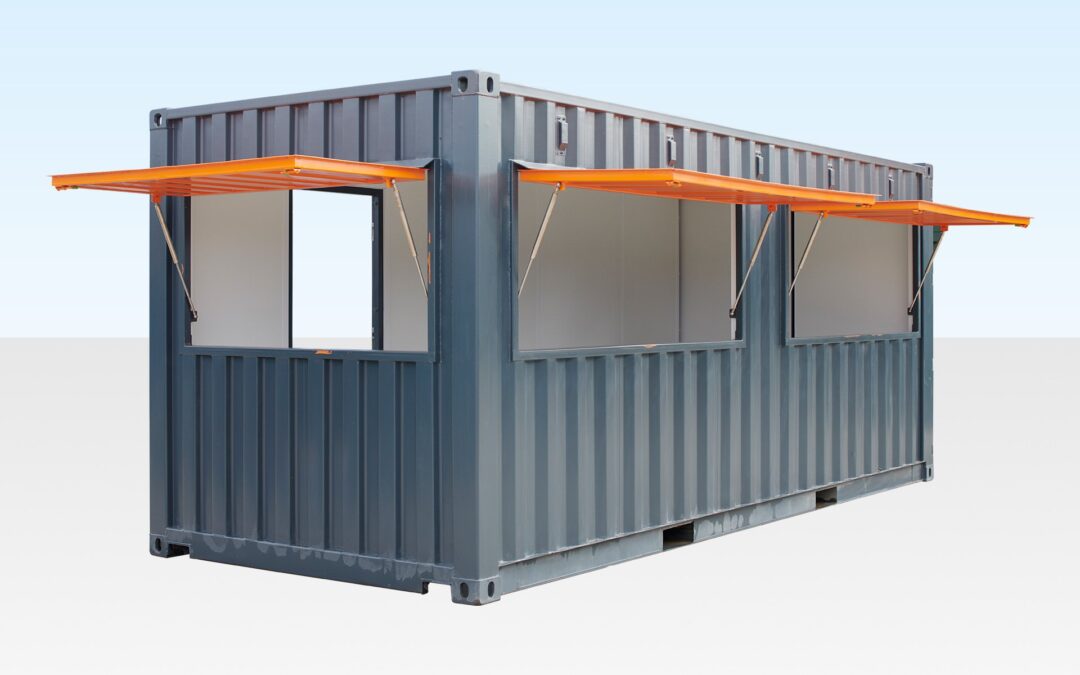
Clad Containers offers a 20ft shipping container cafe for sale with a serving hatch, personnel access door, electrical installation, insulation and a finished interior.
The unit is sold as a ready-to-fit cafe shell. This means buyers can select and install the equipment that matches their menu, budget and local requirements.
Unless specifically included in a written quotation, the cafe does not automatically include:
- Espresso machines
- Coffee grinders
- Refrigerators or freezers
- Sinks
- Plumbing
- Water tanks
- Water heaters
- Counters
- Cabinets
- Shelving
- Extraction equipment
- HVAC
- Point-of-sale equipment
- Tables or chairs
- Exterior branding
This gives you more control over the final cafe design. You do not have to pay for appliances or fixtures that may be unsuitable for your business.
Essential Coffee-Making Equipment
Coffee equipment will usually occupy one of the most important work zones inside the container.
Commercial espresso machine
The espresso machine should be selected according to expected drink volume, available counter space and utility capacity.
Before purchasing one, check:
- Width, depth and height
- Voltage and amperage
- Water connection requirements
- Drainage requirements
- Heat output
- Required clearance
- Boiler capacity
- Number of group heads
- Availability of replacement parts
- Local service and repair support
A larger espresso machine is not always the best choice. An oversized machine can consume valuable counter space, require more electrical power and create more heat than your cafe needs.
Coffee grinders
Most espresso cafes need at least one commercial grinder. A second grinder may be useful for decaffeinated coffee or a second espresso blend.
Grinders should be positioned close to the espresso machine so employees can work without repeatedly crossing the container.
Batch brewer
A batch brewer may be useful when you expect high demand for regular brewed coffee. It can reduce pressure on the espresso station during busy periods.
Hot-water dispenser
A commercial hot-water source may be needed for tea, Americanos and cleaning tasks. Confirm whether the espresso machine provides enough hot water or whether a separate dispenser is required.
Water filtration
Water quality affects coffee taste and equipment life. A filtration system may help protect the espresso machine from scale and provide more consistent water quality.
The correct system will depend on the local water supply and the requirements of the equipment manufacturer.
Coffee preparation tools
You may also need:
- Tampers
- Milk pitchers
- Knock box
- Digital scales
- Thermometers
- Cleaning brushes
- Shot glasses
- Measuring tools
- Cup dispensers
- Syrup pumps
- Ingredient containers
These smaller items should have designated storage close to the preparation area.
Refrigeration and Ice Equipment
Refrigeration is essential for milk, food ingredients, prepared products and other items that must remain cold.
Possible refrigeration equipment includes:
- Undercounter milk refrigerator
- Upright refrigerator
- Display refrigerator
- Sandwich preparation refrigerator
- Freezer
- Ice machine
- Ice storage bin
- Refrigerated ingredient station
Undercounter refrigeration can be especially useful in a 20ft cafe because it keeps ingredients close to the preparation area while preserving the counter surface above.
Before purchasing refrigeration, check:
- External dimensions
- Internal capacity
- Door-opening clearance
- Ventilation clearance
- Electrical demand
- Drainage requirements
- Heat output
- Cleaning access
- Temperature range
- Maintenance requirements
Do not place refrigeration equipment so tightly against walls or other appliances that it cannot release heat or be serviced.
An ice machine may also require a water connection, drain and adequate ventilation. Include these requirements in the utility plan before finalizing the equipment position.
Sinks, Water and Plumbing Equipment
The number and type of sinks required for a container cafe depend on the menu, preparation methods and local regulations.
Your cafe may need some combination of:
- Dedicated handwashing sink
- Food-preparation sink
- Multi-compartment warewashing sink
- Mop or service sink
- Potable-water connection
- Fresh-water tank
- Wastewater tank
- Water pump
- Water heater
- Water filtration system
- Drain lines
- Grease-management equipment
A handwashing sink should remain accessible and should not be blocked by boxes, appliances or preparation equipment.
The warewashing area must also be large enough for the utensils, pitchers, blender containers and other items used during operation.
Some cafes may connect directly to municipal water and sewer systems. Others may need approved fresh-water and wastewater tanks. Your proposed location and local authority will determine which arrangement is acceptable.
Before installing plumbing, confirm:
- Required sink types
- Minimum sink dimensions
- Hot-water requirements
- Water-supply method
- Wastewater-disposal method
- Backflow-prevention requirements
- Drain locations
- Water-heater capacity
- Grease-control requirements
Do not assume that one sink can be used for every task. Confirm the approved layout with your local health department before permanent installation.
Counters, Cabinets and Work Surfaces
A 20ft cafe needs durable work surfaces and carefully planned storage.
Possible interior fixtures include:
- Espresso counter
- Food-preparation counter
- Customer service counter
- Pickup counter
- Base cabinets
- Wall-mounted shelves
- Dry-goods shelving
- Lockable storage
- Ingredient containers
- Cup and lid dispensers
- Cleaning-supply cabinet
- Employee storage
Food-preparation surfaces should be durable, smooth and easy to clean.
Custom-sized counters may work better than standard residential cabinets because they can be designed around the container’s dimensions and your commercial appliances.
Useful space-saving ideas include:
- Undercounter refrigeration
- Wall-mounted shelving
- Vertical cup storage
- Narrow ingredient shelves
- Cabinets built around appliances
- Pull-out waste containers
- Equipment stands with storage below
- Sliding cabinet doors
Avoid creating so much storage that employees cannot move comfortably.
The layout must also preserve access to:
- Electrical panels
- Plumbing connections
- Equipment service panels
- Personnel door
- Serving hatch
- Fire-safety equipment
- Utility shutoffs
Electrical Equipment and Power Planning
Commercial cafe appliances can require significant electrical capacity.
Even when a container includes an electrical installation, the buyer must confirm that it supports the selected equipment.
Create an equipment schedule that records the following information for every appliance:
| Equipment | Voltage | Amperage | Dedicated circuit | Water or drain |
| Espresso machine | Confirm model | Confirm model | Often required | Usually |
| Grinder | Confirm model | Confirm model | Check model | No |
| Refrigerator | Confirm model | Confirm model | Check locally | No |
| Ice machine | Confirm model | Confirm model | Check locally | Usually |
| Water heater | Confirm model | Confirm model | Often required | Yes |
| Blender | Confirm model | Confirm model | Check model | No |
| HVAC system | Confirm model | Confirm model | Often required | May require drain |
Your equipment list may include electrical demand from:
- Espresso machine
- Coffee grinders
- Batch brewer
- Refrigerator
- Freezer
- Ice machine
- Water heater
- Blenders
- POS system
- Interior lighting
- Exterior lighting
- HVAC
- Signs
- Security cameras
- Internet equipment
- Cooking appliances
A licensed electrician should review the complete equipment schedule before appliances are purchased or installed.
Confirm:
- Available voltage
- Electrical phase
- Main service capacity
- Breaker-panel capacity
- Number of circuits
- Outlet locations
- Dedicated circuit requirements
- Ground-fault protection
- Exterior power needs
- Generator compatibility where applicable
When reviewing a ready-to-fit container cafe shell, ask for the exact electrical specifications before selecting equipment.
Heating, Cooling and Ventilation
A steel container can become uncomfortable without suitable temperature control.
Heat may come from:
- Direct sunlight
- Employees
- Espresso machine
- Water heater
- Refrigerators
- Freezers
- Ice machine
- Cooking equipment
- Interior lighting
Possible climate-control and ventilation equipment includes:
- Mini-split HVAC system
- Exhaust fan
- Fresh-air intake
- Wall fan
- Ceiling fan
- Dehumidifier
- Extraction hood
- Make-up-air system
- Thermostat
A coffee-only operation may have different ventilation needs from a cafe using grills, ovens, fryers or other cooking appliances.
If your menu involves grease, smoke, steam or significant heat, confirm whether commercial extraction and fire-suppression equipment will be required.
Heating, cooling and ventilation should be planned before counters and appliances are permanently fixed in place.
Cleaning, Sanitation and Waste Equipment
Cleaning equipment needs its own storage and should not be treated as an afterthought.
Your cafe may require:
- Soap dispensers
- Paper-towel dispensers
- Sanitizer containers
- Sanitizer test strips
- Cleaning brushes
- Food-safe cleaning chemicals
- Lidded waste containers
- Recycling containers
- Mop and bucket
- Chemical-storage cabinet
- Drying racks
- Food-storage containers
- Appliance thermometers
- Cleaning cloth storage
- Wastewater equipment
Store cleaning chemicals separately from food, cups, utensils and ingredients.
The layout should also separate:
- Clean utensils
- Dirty utensils
- Food ingredients
- Waste
- Employee belongings
- Cleaning tools
Waste containers should be accessible without blocking preparation areas or customer service.
Point-of-Sale and Customer-Service Equipment
Your ordering and payment area should support fast service without interfering with drink preparation.
Possible customer-service equipment includes:
- POS terminal
- Card reader
- Cash drawer
- Receipt printer
- Order display
- Online-order screen
- Kitchen display screen
- Wi-Fi router
- Menu board
- Security cameras
- Customer pickup sign
- Condiment station
The POS terminal should be positioned where employees can accept orders and payments without blocking the espresso station.
For a walk-up cafe, customers should be able to understand:
- Where to order
- Where to pay
- Where to wait
- Where to collect their order
The counter, customer route and waiting area should also be planned with accessibility in mind.
Safety and Security Equipment
The exact safety equipment required will depend on the menu, appliances and local rules.
Possible items include:
- Appropriate fire extinguisher
- Fire-suppression system where required
- Smoke detector
- Carbon-monoxide detector where applicable
- First-aid kit
- Emergency lighting
- Exit signs where required
- Anti-slip floor mats
- Security cameras
- Alarm system
- Exterior lighting
- Lockable cabinets
- Surge protection
- Equipment restraints
Ask the local fire marshal, licensed contractor or qualified fire-safety professional what is required for your particular operation.
Do not select fire equipment based only on a general online checklist. A coffee kiosk with no cooking equipment may require a different setup from a cafe using fryers, ovens or grills.
Optional Equipment Based on Your Menu
Once the essential equipment has been selected, consider any menu-specific appliances.
Optional equipment may include:
- Commercial blender
- Juice extractor
- Panini press
- Microwave
- Convection oven
- Warming cabinet
- Display warmer
- Food processor
- Dishwasher
- Soft-serve machine
- Ice-cream freezer
- Baking equipment
- Cooking range
- Fryer
- Grill
Each additional appliance affects more than the purchase price.
It may also affect:
- Counter space
- Electrical capacity
- Water supply
- Drainage
- Ventilation
- Fire protection
- Storage
- Cleaning
- Permitting
- Employee workflow
A smaller opening menu can reduce equipment costs and make it easier to operate efficiently. Additional products can be introduced later after you understand customer demand and available workspace.
Organize the Cafe Into Work Zones
A well-planned 20ft cafe should be divided into practical work zones.
1. Ordering and payment zone
This area contains the POS terminal, menu information and payment equipment.
2. Espresso preparation zone
This includes the espresso machine, grinders, tamping area, milk storage and coffee tools.
3. Cold-storage zone
This area may include undercounter refrigerators, upright refrigeration or freezers.
4. Drink-finishing zone
Syrups, toppings, cup lids and final drink preparation can be organized here.
5. Customer pickup zone
Completed orders should be collected without interrupting ordering or preparation.
6. Handwashing zone
The handwashing sink should remain accessible throughout service.
7. Warewashing and cleaning zone
This area contains the required sinks, drying space and cleaning equipment.
8. Dry-storage zone
Cups, packaging, ingredients and backup supplies need organized storage.
9. Utility zone
The electrical panel, water heater, pumps, filtration and other systems must remain accessible.
A simple workflow may look like this:
Customer order → Payment → Espresso preparation → Drink finishing → Pickup
The final arrangement should be checked against:
- Equipment dimensions
- Door swings
- Service clearances
- Plumbing locations
- Electrical outlets
- Employee movement
- Required aisle widths
- Cleaning access
- Local approval requirements
Create an Equipment Priority List
Dividing purchases into priority levels can help control the budget.
Essential before opening
- Required sinks
- Water system
- Espresso or beverage equipment
- Refrigeration
- Electrical system
- Food-safe counters
- Required sanitation equipment
- POS system
- Safety equipment
- HVAC or necessary ventilation
Important for efficiency
- Second coffee grinder
- Batch brewer
- Ice machine
- Custom shelving
- Cup dispensers
- Display refrigerator
- Online-order screen
- Security system
Optional depending on the concept
- Cooking appliances
- Bakery equipment
- Smoothie equipment
- Drive-through equipment
- Digital menu boards
- Outdoor seating
- Decorative lighting
- Advanced automation
Purchase essential operational equipment before spending heavily on decorative additions.
Budget for Equipment by Category
There is no single equipment budget that applies to every container cafe.
Request quotations by category so you can compare suppliers and identify missing costs.
| Budget category | Possible items |
| Coffee equipment | Espresso machine, grinders and brewer |
| Cold storage | Refrigerators, freezer and ice machine |
| Plumbing | Sinks, water heater, filtration, tanks and drains |
| Electrical | Circuits, outlets and panel upgrades |
| Interior fit-out | Counters, cabinets and shelves |
| Climate control | HVAC, fans and extraction |
| Service technology | POS, internet and security |
| Compliance | Plans, permits and inspections |
| Installation | Labor, connections and equipment setup |
Also budget for:
- Delivery
- Offloading
- Site preparation
- Equipment installation
- Professional plans
- Inspections
- Staff training
- Replacement parts
- Maintenance
- Unexpected changes
A contingency allowance can help with unforeseen costs, but it should not replace detailed planning and supplier quotations.
Common Equipment-Buying Mistakes
Avoid these common mistakes when fitting out a 20ft container cafe.
Buying equipment before finalizing the menu
Your menu determines the equipment, refrigeration, sinks, power and preparation space required.
Ignoring appliance dimensions
Confirm the full dimensions, door clearance and service access before purchasing.
Underestimating electrical demand
Commercial espresso machines, water heaters, refrigerators and HVAC systems can require substantial power.
Forgetting heat output
Several appliances operating in a compact space can quickly increase the interior temperature.
Installing too much equipment
Overloading the container can reduce employee movement and make cleaning difficult.
Buying residential appliances
Residential equipment may not be suitable for commercial volume, sanitation requirements or continuous operation.
Blocking access panels
Electrical panels, utility shutoffs and equipment service areas must remain accessible.
Forgetting wastewater planning
Water supply must be matched with an approved drainage or wastewater solution.
Treating storage as an afterthought
Cups, ingredients, packaging, cleaning supplies and employee belongings all need designated space.
Assuming the cafe shell includes appliances
Always review the written product specification and quotation before ordering.
Plan the Equipment Before Completing the Fit-Out
The best container cafe equipment package is not the one with the largest number of appliances. It is the one that supports your menu, fits the available space and allows employees to work safely and efficiently.
Begin with the menu. Then create an equipment list, record the dimensions and utility requirements of every appliance, divide the container into work zones and have the final plan reviewed before installation.
Clad Containers supplies a converted 20ft cafe shell with a serving hatch, personnel door, electrical installation, insulation and finished interior. The buyer can then select the counters, sinks, appliances, refrigeration, plumbing, HVAC and branding needed for the business.
You can view the 20ft container cafe and contact Clad Containers with your delivery ZIP code to confirm availability, technical specifications and offloading options.
Frequently Asked Questions
What equipment is essential for a container cafe?
Essential equipment may include commercial beverage equipment, refrigeration, required sinks, water heating, food-safe counters, storage, sanitation supplies, POS equipment, climate control and required safety equipment. The exact list depends on the menu and local regulations.
Does a 20ft container cafe have enough room for commercial equipment?
A 20ft container can support a focused coffee, beverage, pastry, dessert or concession concept. Equipment must be carefully selected and positioned. A broad menu, several employees or extensive cooking equipment may require a larger container or more limited menu.
Does the Clad Containers cafe include appliances?
No. The unit is sold as a ready-to-fit cafe shell. It includes a serving hatch, personnel door, electrical installation, insulation and finished interior. Appliances, sinks, plumbing, counters, refrigeration, HVAC and branding are not included unless listed in a written quotation.
How much electrical power does a container cafe need?
The required electrical capacity depends on the specific appliances. Prepare a load schedule showing the voltage and amperage of the espresso machine, refrigerators, water heater, ice machine, HVAC, lighting and other equipment. A licensed electrician should review the plan.
How many sinks does a container cafe need?
The required number and type of sinks depend on the menu, food-preparation methods and local health requirements. You may need separate facilities for handwashing, food preparation, warewashing or cleaning. Confirm the approved arrangement with the local health department.
Does container cafe equipment need commercial certification?
Local authorities may require or prefer equipment designed and certified for commercial food-service use. Confirm the requirements before purchasing appliances, counters, sinks, refrigeration or other food-handling equipment.
Can cooking equipment be installed in a 20ft container cafe?
Cooking equipment may be installed when sufficient space, electrical or gas capacity, ventilation, fire protection and approvals are available. Cooking appliances can significantly increase the complexity of the fit-out, so confirm requirements before purchasing them.
Should I buy equipment before designing the floor plan?
No. Develop the menu and preliminary equipment list first, then create a floor plan using the exact dimensions and utility requirements of each item. Finalize purchases only after confirming that the layout, utilities and local requirements are compatible.