
Description
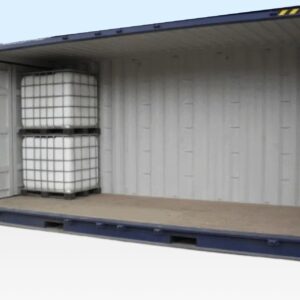
40ft Insulated Shipping Container for Sale
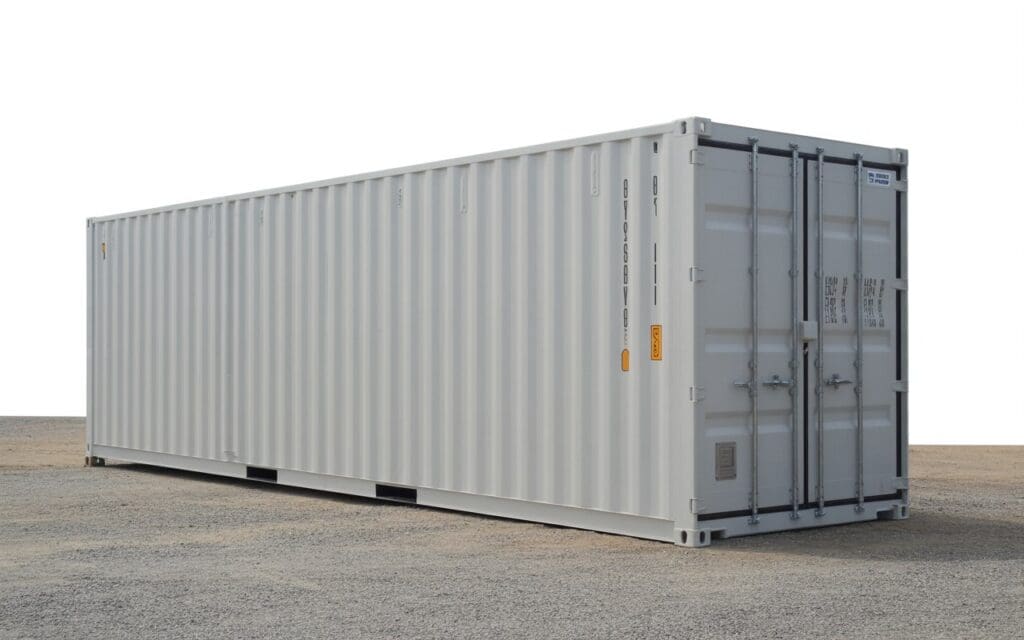
A 40ft insulated shipping container for sale provides enclosed storage with thermal insulation designed to help reduce temperature fluctuations compared with a conventional non-insulated container.
This product is identified as a 40ft Insulated Shipping Container and is described as a standard 40ft container with thermal panels.
An insulated container can be useful when the contents or intended project require better thermal protection than a conventional steel shipping container provides.
What Is a 40ft Insulated Shipping Container?
An insulated shipping container uses insulation within the container structure to reduce the transfer of heat between the interior and exterior environment.
Unlike a refrigerated reefer container, an insulated container does not automatically provide active cooling or heating.
Its purpose is passive thermal insulation.
That makes it a different product from a refrigerated container. An insulated container can help slow temperature changes, but it does not create a controlled refrigeration environment by itself.
Thermal Insulation
The supplied product information identifies the container as having thermal panels.
The source also states that insulated containers can help reduce swings between hot and cold outdoor conditions.
The exact insulation construction, thickness, R-value, and interior finish should be confirmed for the actual unit before purchase.
Do not assume that every insulated container has the same insulation specifications.
Insulated vs. Refrigerated Containers
This is an important distinction for buyers.
A 40ft insulated container provides passive thermal insulation.
A refrigerated or reefer container has an active temperature-control system.
Choose an insulated container when reducing temperature fluctuations is sufficient for the application.
Choose a reefer when active cooling or heating is required.
An insulated container should not be marketed as maintaining a specific temperature unless the actual product and equipment support that claim.
Storage Applications
A 40ft insulated container can be useful for customers who want enclosed storage with thermal insulation.
Potential applications include:
- Temperature-sensitive materials
- Equipment storage
- Agricultural supplies
- Business inventory
- Workshop projects
- Conversion projects
- Rural property storage
- Commercial storage
The suitability depends on the materials being stored and the actual insulation specifications of the available unit.
Business and Inventory Storage
Businesses may use an insulated container for inventory and materials that can be affected by temperature fluctuations.
The 40ft size provides substantial enclosed capacity for commercial storage.
This can be useful for businesses that need additional space without immediately adding permanent storage infrastructure.
The customer should confirm the environmental requirements of the goods being stored before choosing an insulated container.
Agricultural and Farm Uses
Farmers and agricultural businesses may use insulated containers for suitable supplies, equipment, materials, and products that benefit from reduced thermal swings.
Potential applications may include agricultural inventory, equipment, supplies, and other materials where passive insulation is useful.
The appropriate use depends on the actual product being stored and the environmental conditions at the site.
Chemical and Material Storage
The supplied source identifies temperature-sensitive materials, fertilizer, fluids, and other materials as potential applications.
However, the suitability of any specific chemical or hazardous material depends on its storage requirements, compatibility, ventilation needs, and applicable regulations.
The fact that a container is insulated does not by itself make it approved for hazardous-material storage.
Customers should confirm the requirements for their specific materials before purchase.
Equipment and Generator Storage
Insulation can also be useful where customers want to reduce temperature cycling around equipment.
The supplied source identifies generator and battery housing as potential applications.
However, the exact suitability of an insulated container for batteries, generators, electrical equipment, or other systems depends on ventilation, heat generation, electrical requirements, and the equipment manufacturer’s specifications.
Workshop and Conversion Projects
A 40ft insulated container can be an attractive starting point for certain conversion projects.
The supplied source identifies container-home and conversion applications.
The advantage is that thermal insulation is already part of the container structure, which may reduce the amount of additional insulation work required during a conversion.
The exact amount of work saved depends on the container’s existing insulation system and the requirements of the finished project.
A container is not automatically a completed dwelling, office, workshop, or other occupied structure.
Photography, Media, and Sensitive Materials
The supplied source identifies photography, film, records, and other temperature-sensitive materials as possible uses.
An insulated enclosure can help reduce temperature swings, but it does not necessarily provide the humidity control that some sensitive materials require.
Customers should consider both temperature and humidity requirements when storing specialized items.
Interior Space and Capacity
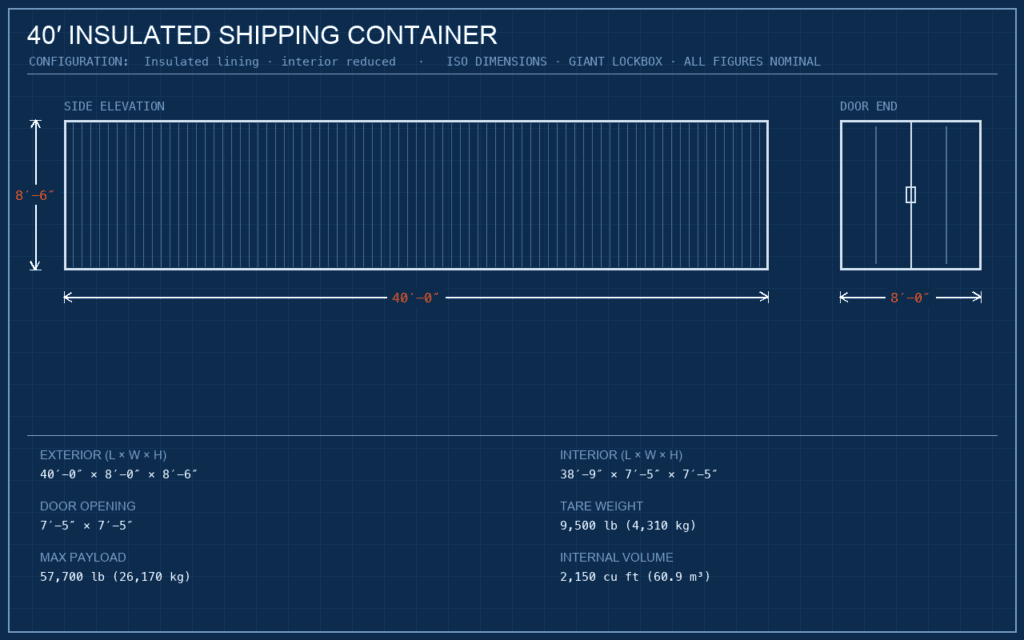
The supplied product information gives an estimated capacity of approximately 1,000–2,090 cubic feet, noting that insulation reduces usable interior space.
Because this range appears broad, the exact usable capacity should be confirmed for the specific available container.
Insulation can reduce the interior dimensions compared with a conventional 40ft container, so buyers should consider their actual storage requirements before ordering.
Door Opening
The supplied source gives an approximate door opening of 7’2″ interior width × 6’10” interior height.
The source notes that interior dimensions are reduced by the insulation.
This is important for buyers storing pallets, equipment, machinery, or other large items.
Measure the intended load before purchasing and confirm the actual door clearance of the available unit.
Insulated Container vs. Standard 40ft
A standard 40ft shipping container provides conventional steel enclosure without the thermal-panel construction described for this product.
An insulated container is more appropriate when reducing temperature fluctuation is an important consideration.
A standard 40ft container may be the more economical choice when thermal insulation is unnecessary.
Insulated Container vs. 40ft High Cube
The supplied product is identified as a standard 40ft insulated container, not a High Cube insulated container.
A 40ft High Cube provides additional vertical clearance, while this product’s main differentiator is insulation.
Customers should therefore prioritize the feature they actually need:
Insulation for passive thermal protection,
or
High Cube height for additional vertical clearance.
Delivery and Placement Considerations
A 40ft container requires adequate space for delivery and placement.
Customers should consider:
- Available site space
- Access for delivery equipment
- Container orientation
- Ground conditions
- Placement requirements
- Accessibility for future use
Clad’s business information supports professional delivery and delivery/offloading guidance, but exact delivery timing and cost should be confirmed for the customer’s location.
Before Buying
Before purchasing a 40ft Insulated container, confirm:
- Condition
- Exact insulation construction
- Interior dimensions
- Door opening
- Intended use
- Storage requirements
- Delivery access
- Site preparation
- Any modifications required
The exact specification of specialty insulated containers can vary by available unit.
Reviews
There are no reviews yet.